Table of Content
Elderberries are still being researched, but some studies suggest this dark purple berry may help reduce flu and common cold symptoms by four days. Not only is the berry high in Vitamin C, but also rich in Flavonols and Anthocyanins which are anti-inflammatory and anti-viral properties. Ingredients in the soup have been found to slow the migration of white blood cells into the upper respiratory tract, which helps relieve cold symptoms. What's more, according to UCLA Center East-West Medicine, is that carnosine, a compound found in chicken soup and chicken breast, could help prevent the common cold. Regular exercise – 30 minutes at least 5 days a week – can help boost your immunity. Exercise helps increase white blood cells, improve blood circulation, fight obesity and flush bacteria out of the lungs and airways.
Incorporate this popular vegetable into salads and juice blends or use it as the main ingredient in a hummus dip. There’s no better time to add turmeric to everything. It’s incredibly anti-inflammatory (very helpful when you feel a cold, cough, or sore throat coming on!), and it brings a distinctive flavor to drinks and dishes. An oldie but a goodie, we created this warming winter drink to offer a double dose of antioxidants and caffeine in a delicious afternoon pick-me-up. In the same way as other antioxidants, vitamin E improves immune function.
Take Vitamin D
Ounce for ounce, red bell peppers contain almost 3 times as much vitamin C as a Florida orange . Also keep in mind that while vitamin C might help you recover from a cold quicker, there’s no evidence yet that it’s effective against the new coronavirus, SARS-CoV-2. Most people turn straight to vitamin C after they’ve caught a cold. That’s because it helps build up your immune system. Verywell Health uses only high-quality sources, including peer-reviewed studies, to support the facts within our articles.

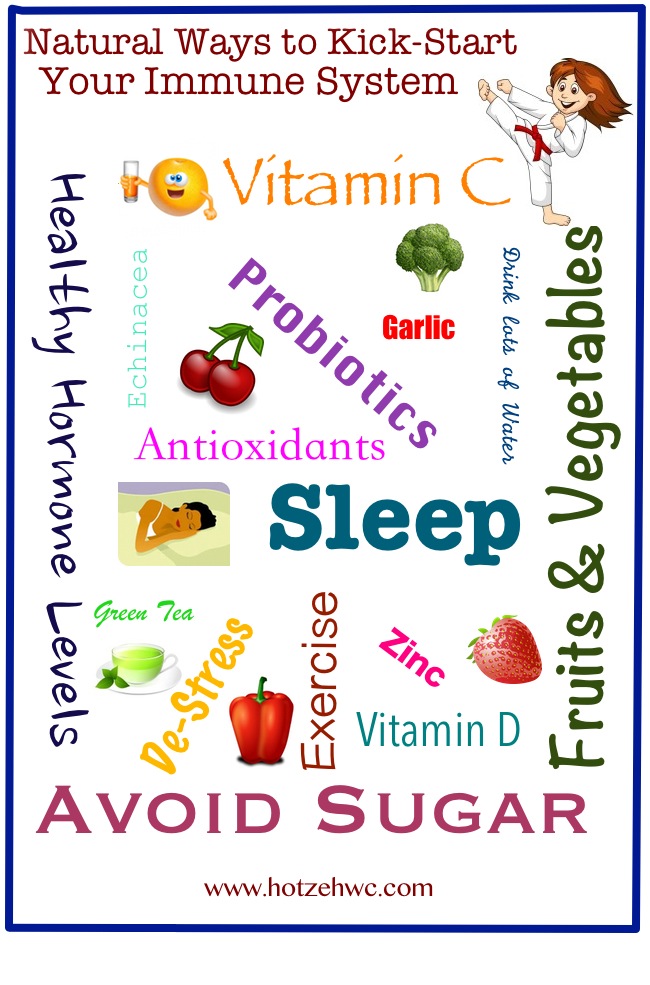
Enjoying the 15 immune-boosting foods covered in this article may strengthen people’s immune system and improve their ability to fight off infections. While scientists are still not sure exactly how it helps, vitamin C may reduce the duration of common cold symptoms and improve the function of the human immune system. Echinacea has been used to treat colds symptoms upon first signs of illness, but the research on its effectiveness varies. Some research shows that taking echinacea can reduce the risk of catching a cold by 45% to 58%. But other research shows that taking echinacea does not prevent the common cold when you are exposed to cold viruses.
Time Flies By Faster As We Get Older. Here’s Why.
And ginger (a natural anti-inflammatory) to your meals on a regular basis. Verywell Health's content is for informational and educational purposes only. Our website is not intended to be a substitute for professional medical advice, diagnosis, or treatment. Ginger has anti-inflammatory effects as well and may be able to help with muscle pain.
Effect of different cooking methods on the content of vitamins and true retention in selected vegetables. Clinical trials are even in the works to study its possible effects on COVID-19. Ginger may also decrease chronic pain and might even possess cholesterol-lowering properties. While it’s used in many sweet desserts, ginger packs some heat in the form of gingerol, a relative of capsaicin.
Ayurvedic Remedies That Can Boost Immunity in Children
Older people tend to eat less and often have less variety in their diets. One important question is whether dietary supplements may help older people maintain a healthier immune system. Older people should discuss this question with their doctor. Probiotics Your gut health plays an important role in your immune system’s ability to fight off infections. The live bacteria and yeasts found in probiotics are an excellent way to strengthen your digestive system and boost overall immunity. You can find live cultures in foods like yogurt, kefir, kombucha, etc.
Having them in the right amount at the correct time can improve your health a lot naturally. Try these home remedies for children to boost their immune system. Thyme isn't just for making dishes taste better—it's also got health benefits.
Pound for pound, the peel of an orange contains almost three times as much vitamin C as the fruit itself. Eat a diet high in fruits, vegetables, and whole grains. Restrict saturated fats and sugars to 10% of total calories. Add 4 cups of hot water, salt, and pepper and mix well. Cover with a lid and cook on a medium flame for 10 minutes, while stirring occasionally. Get fun, inspiring, provider-reviewed articles sent to your inbox.
"When regularly applied topically, Kakadu plum extract has been shown by clinical studies to dramatically increase skin hydration and elasticity and to reduce pigmentation, redness, and dark spots," Levine says. "Cleavers support the immune and lymphatic system as well as liver and kidney function," Levine says. "Applied topically and drank as a tea, it helps improve skin, and it helps improve skin disorders such as acne, psoriasis, eczema, abscesses, and boils." The experts shared which herbs and ingredients can help support the immune system.
Addressing chronic stress is something you can take action on. To keep your stress in check, incorporate a relaxing practice like meditation, yoga, or deep breathing into your daily routine. Tiffany La Forge is a professional chef, recipe developer, and food writer who runs the blog Parsnips and Pastries.

Although scientists have yet to determine whether vitamin C can enhance immunity, there's some evidence that this antioxidant can reduce cold incidence. Chronic stress can have a negative impact on immunity, according to a landmark 2004 review of 293 studies with a total of 18,941 participants. The review suggests that while short-term exposure to stressors can rev up your immune defense, prolonged stress may wear down the immune system and increase your vulnerability to illness. Regularly engaging in intense, vigorous activity like running, on the other hand, may temporarily weaken your immune function and leave you more susceptible to viral infections. And sometimes, even with lots of sleep and vitamin C, superheroes get sick.


No comments:
Post a Comment